
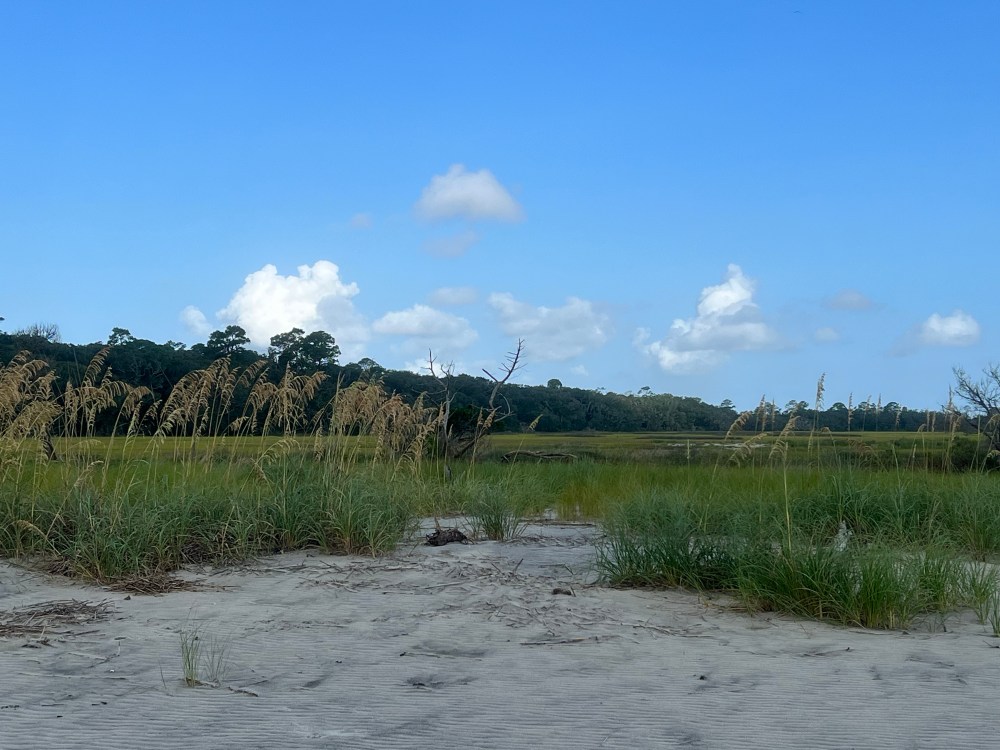
Seemingly ancient relics of massive trees create a maze in the sands of Driftwood Beach, an iconic destination on Georgia’s Jekyll Island. The petrified forest on the beach draws thousands of tourists to south Georgia’s Golden Isles each year. But the 10 miles of shoreline are also a favorite nesting spot for threatened sea turtles.

The Georgia Sea Turtle Center, the state’s only sea turtle rehabilitation facility, is working to educate many of those visitors about the human impact on multiple species.
Six of the seven species of sea turtle are found throughout the ocean: green, hawksbill, Kemp’s ridley, leatherback, loggerhead, and the olive ridley. And all of them are considered endangered.

“Accidental catch in commercial fisheries or entanglement in marine debris are serious threats to sea turtles, as well as destruction of beach habitat, harvesting or poaching for meat and eggs, and even boat strikes,” a NOAA publication stated.
Since opening in 2007, the so-called ‘turtle hospital’ on Jekyll Island has treated and re-released hundreds of sick and injured turtles.
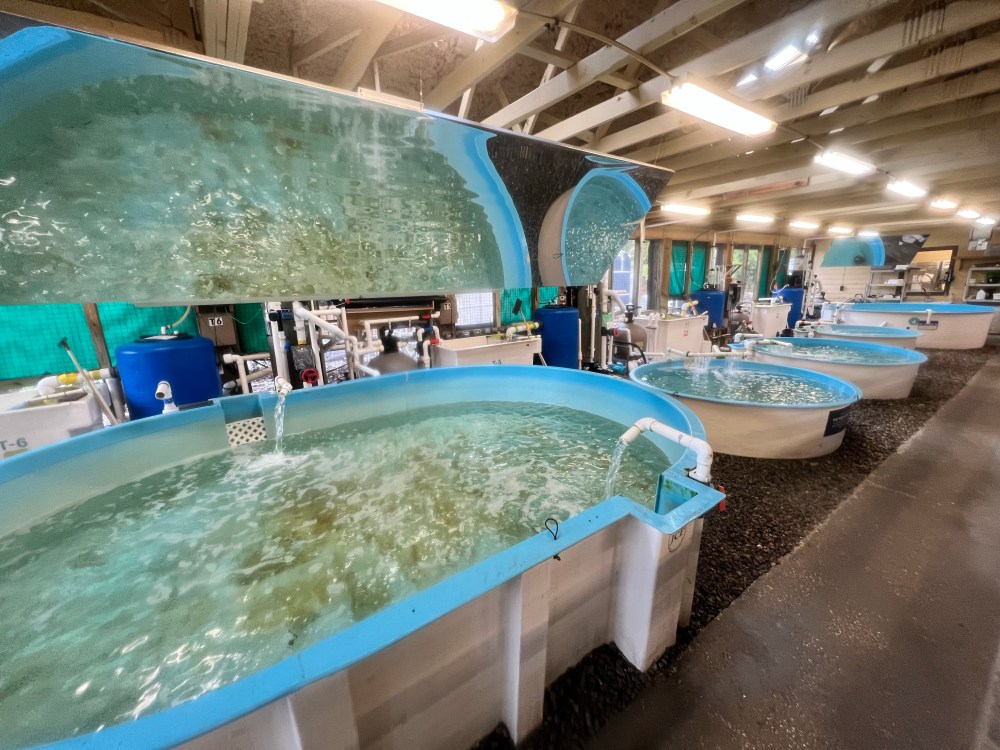
According to the center, 76% of sea turtle strandings in Georgia between 2010 and 2015 were caused by human activities, with commercial fishing and boat strikes making up the majority of cases.
Many of the turtles are returned to the oceans after treatment or rehab in the center’s veterinary clinic.
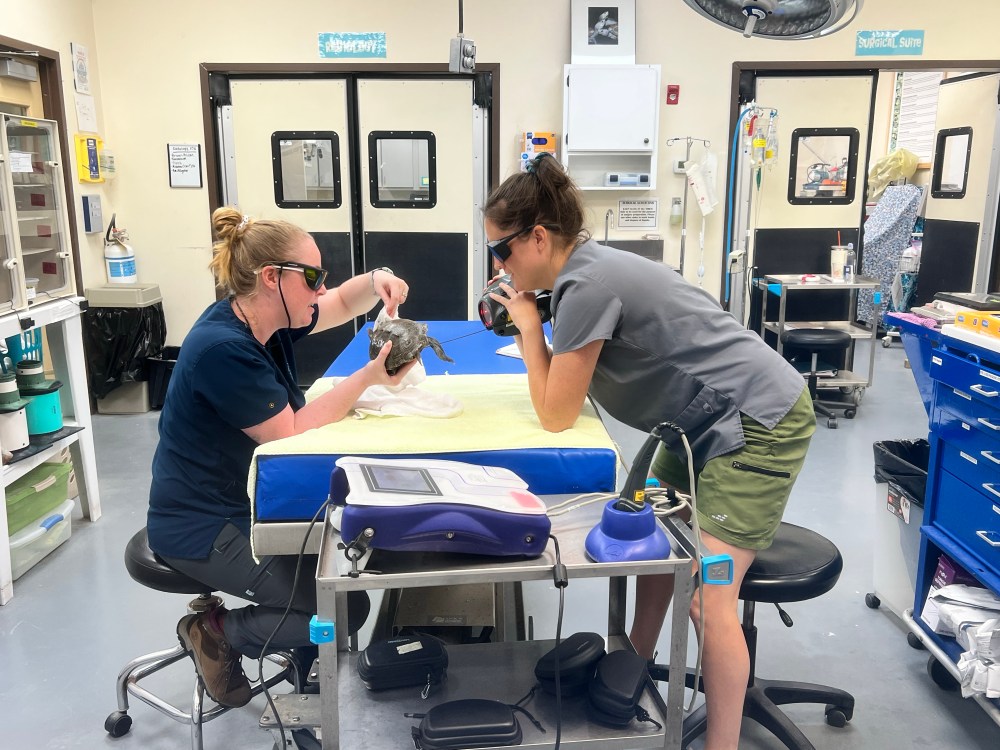
In the coming weeks, the center is preparing to celebrate a success story with the release of a rehabilitated hatchling. In August 2022, a Loggerhead named “Lil Diggity,’ was found in a nest on Jekyll Island and was weaker than the other hatchlings. The center has monitored its progress and growth over the past year.
Not all patients can return to their natural habitat. Some are sent to zoos, aquariums, and other facilities.
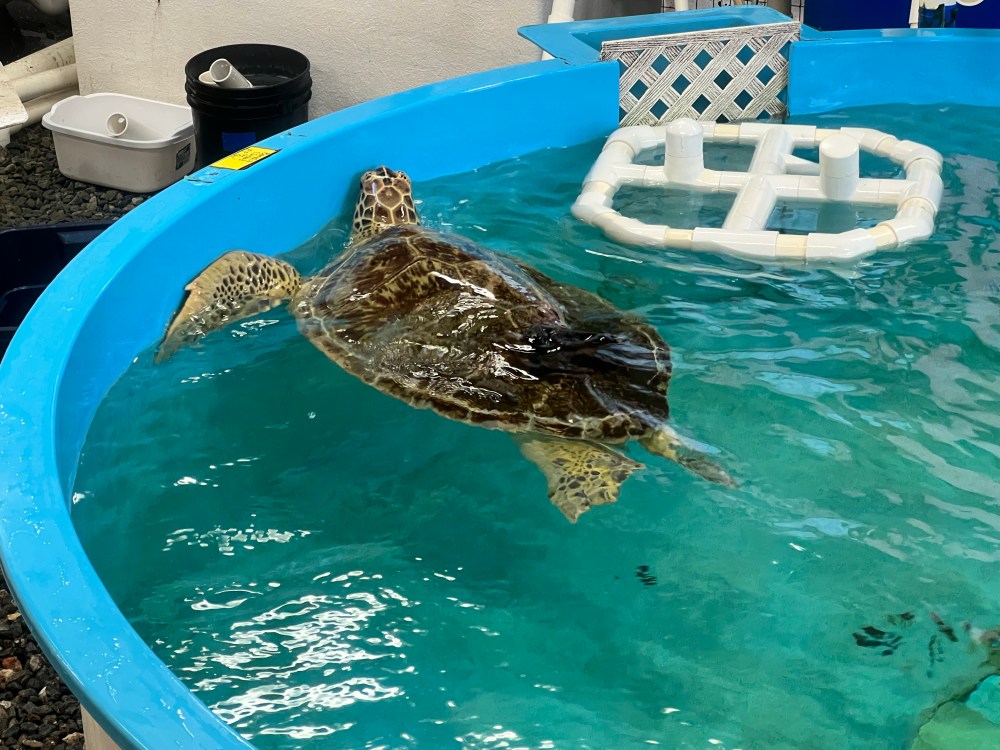
“Bandit,” a juvenile Green sea turtle was found in April 2021 near Little Saint Simons with fractures on her top shell from a boat strike. An examination revealed spinal cord damage and paralysis in the hind flippers. Bandit also has Fibropapilomatosis, a virus that can cause tumors in turtles. An education interpreter said issues with buoyancy would make it unlikely that Bandit could survive in the wild.
Staff and volunteers also host interactive programs at the center and lead conservation and rescue efforts along nearby beaches. The center coordinates public experiences alongside researchers and biologists, including patrols for nests and hatchlings, as well as nest relocations.

The Georgia Sea Turtle Center is open daily for tours.
The views expressed in this blog do not necessarily reflect the views of KLTV/KTRE-TV or Gray Television. They are solely the opinion of the author. All content © Copyright 2023 Lane Luckie


 Lane Luckie