
I’ll never forget what happened 20 years ago. I’ll never forget the pain that washed over my home state of Louisiana, the nearly 1,400 lives lost, or the healing and restoration that lingers two decades later.
I’ll never forget laying eyes on the devastation in New Orleans for the very first time. A place of so many fond memories growing up was essentially unrecognizable. It was a ghost town, scarred by powerful winds and unprecedented floods.

When enough water had receded, I accompanied prolific New Orleans documentary photographer Syndey Byrd to survey what remained of her Mid-City neighborhood, where we hoped to rescue her life’s work, left behind in the frantic evacuation.

Images of New Orleans, LA after Hurricane Katrina in 2005. Taken by Lane Luckie. 
Images of New Orleans, LA after Hurricane Katrina in 2005. Taken by Lane Luckie. 
Images of New Orleans, LA after Hurricane Katrina in 2005. Taken by Lane Luckie. 
Images of New Orleans, LA after Hurricane Katrina in 2005. Taken by Lane Luckie. 
Images of New Orleans, LA after Hurricane Katrina in 2005. Taken by Lane Luckie. 
Images of New Orleans, LA after Hurricane Katrina in 2005. Taken by Lane Luckie. 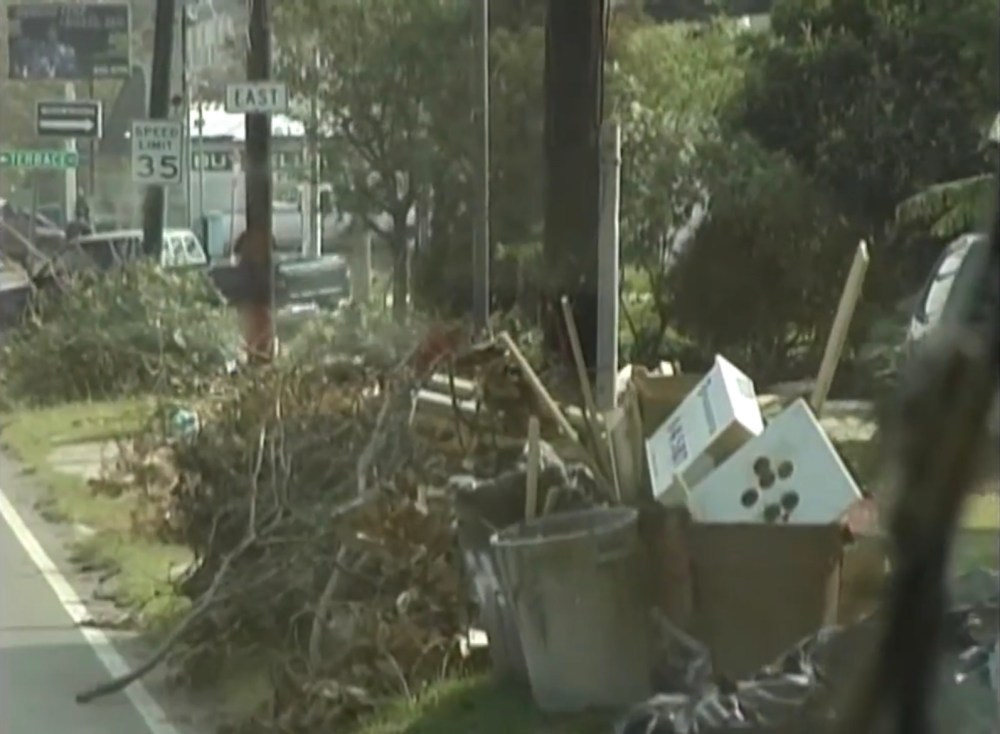
Images of New Orleans, LA after Hurricane Katrina in 2005. Taken by Lane Luckie. 
Images of New Orleans, LA after Hurricane Katrina in 2005. Taken by Lane Luckie. 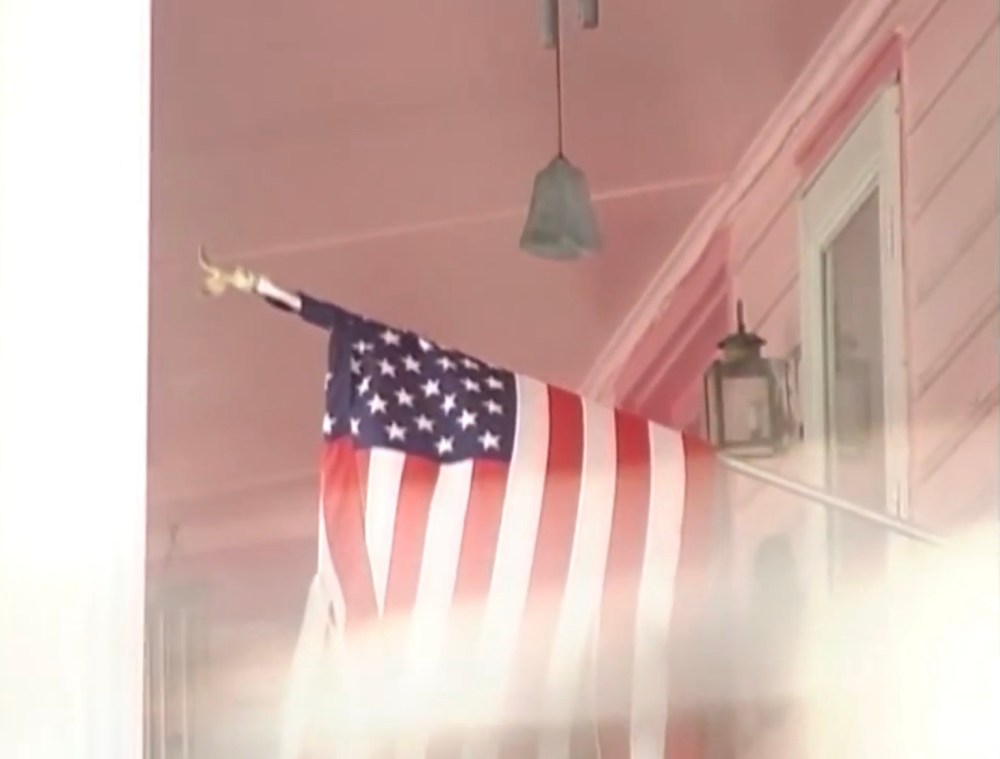
Images of New Orleans, LA after Hurricane Katrina in 2005. Taken by Lane Luckie.
Fifty-thousand slides, loose photographs, and albums of treasured moments in time sat in Byrd’s home, not knowing whether it was under water. For more than 30 years, Syndey had documented every aspect of New Orleans’ cultural identity — every Carnival, Jazz Fest, Mardi Gras balls, funeral second lines, and beloved musicians like Professor Longhair, Alan Toussaint, the Neville Brothers, and Fats Domino, who, during the storm was rescued by a Coast Guard helicopter from the roof of his home in the devastated Lower 9th Ward.
This collection was priceless, not just to Syndey. Louisiana Governor Kathleen Blanco recognized its historic value to the state, so her office granted Syndey special permission to reenter the city while it was under military control.
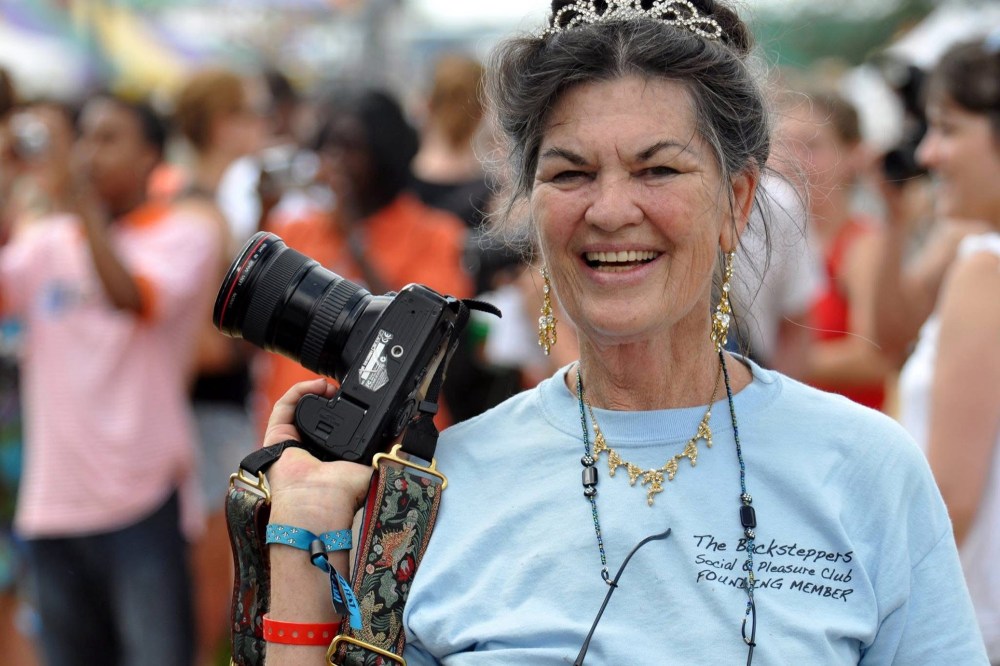
We were awestruck by the stillness, an almost deafening silence that surrounded us. A city defined by a boisterous spirit that echoed in every one of its unique neighborhoods were eerily quiet after almost 90% of its residents evacuated ahead of what was promised to be a storm of a lifetime.
As we stood in the middle of the city’s iconic boulevards — there was no music in the distance, no conversations among neighbors passing time on front porches, nor the familiar streetcars setting a cadence for the slow passing of time. New Orleans was devoid of movement, of life.
The flood waters came close to Syndey’s shotgun-style home near Ursulines and Broad, but thankfully it had been spared. Still, the humidity was brutal, even by New Orleans standards. And it was unclear when the home would be livable again. For hours we went room-by-room, gathering containers of slides, rolls of film, sleeves of negatives, prints, and albums. Every photo Syndey pulled out was a flood of memories for her. Time stood still as we listened to her stories about each photograph. One of her most famous portraits was the 1993 album cover for Fats Domino’s ‘Christmas Gumbo.’ The rock and roll icon, whose distinctive style and hits like “Blueberry Hill” and “Walking to New Orleans” influenced everyone from Elvis to the Beatles, had posed on his famous custom pink Cadillac sofa holding Byrd’s tiny white dog.

“Worth a thousand words” would be grossly insufficient for all the stories captured with every snap of the shutter by Syndey over the years. What went unspoken, however, was the most profound — the heartbreak often on Syndey’s face throughout the process of loading friends Lanie and Mark Adkins’ RV with the weight of this tragedy.
Many of Syndey Byrd’s photos are now part of the archives of the Louisiana State Museum and New Orleans Museum of Art. Last I understood, there were ongoing efforts to preserve and display her extensive collection. Sadly, Syndey spent her final years battling Alzheimer’s and according to the Louisiana Endowment for the Humanities, was unable to recall the memories associated with her photos. She passed in 2015 at age 71.
The views expressed in this blog do not necessarily reflect the views of KLTV/KTRE-TV or Gray Television. They are solely the opinion of the author. All content © Copyright 2025 Lane Luckie


 Lane Luckie